


While this year’s forum is the first to include civil society talks, a group of 250 NGOs says the China-based multilateral bank did not give them control over the agenda, casting doubt over the efficacy of AIIB’s accountability mechanism.

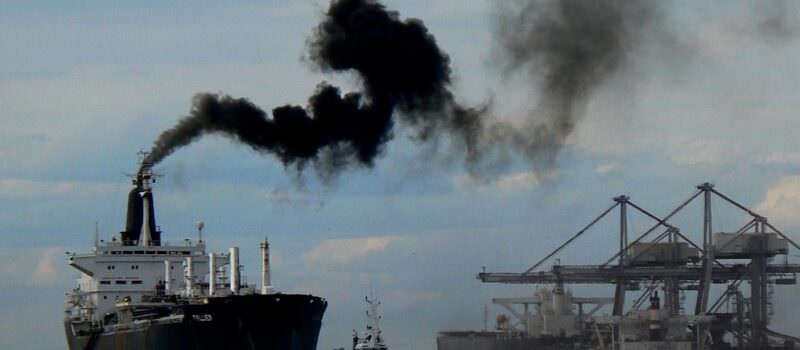
While shipping is essential to the global economy, so is reducing the associated pollution. Requiring shipping companies to pay for their vessels’ greenhouse-gas emissions would go a long way toward advancing this objective.

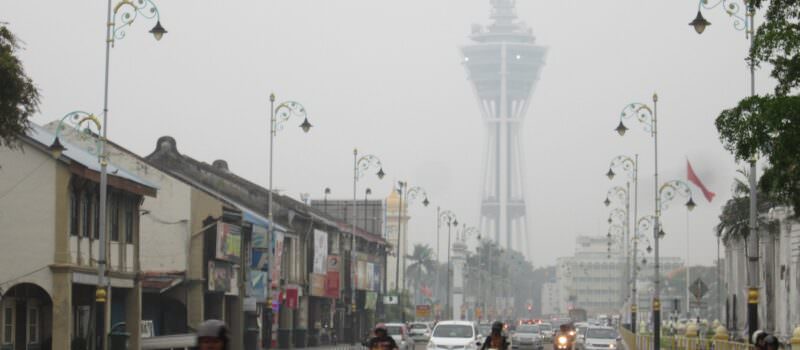
Ground-level ozone, an invisible pollutant, hampers tree growth and reduces carbon absorption, potentially making tropical forests less effective as carbon sinks than previously estimated.


Post-pandemic Asia is working to revive tourism revenues, but overtourism is straining the environment and local communities, highlighting the need for sustainable tourism support from sending countries.

The growing demand for lithium-ion batteries, driven by electric vehicles, is expected to result in a surge of spent batteries in developing countries, raising concerns about the destructive mining practices used to extract lithium.

Clothing makers in Bangladesh and other parts of Asia worry they’ll shoulder the burden of meeting new climate and labour rules.

No publisher in Asia has publicly rejected Big Oil ad dollars, and most provide a platform for fossil fuel brands. Journalists and consumers believe fossil fuel sponsorship discredits climate content, but support for an ad ban is lacking.

National accounting and corporate legislation will be amended to account for new sustainability reporting requirements, with large listed companies the first group that must make climate-related disclosures by 2025.

Although most people care deeply about addressing the climate crisis, only a minority of respondents in recent surveys trust their governments to achieve a fair and just net-zero transition.